Tag: magicwin

  • Is a “quick getaway” really a quick getaway?

    Is a “quick getaway” really a quick getaway?

    When people say “just a weekend trip,” they usually imagine packing a bag, hopping on a train, and spending a few days in a city. In reality, the stress of booking flights, finding accommodation, and planning activities can turn a relaxing escape into a logistical nightmare. I’ve been there twice, and the first time I rushed through the process, I ended up spending more time on my phone than on the cobbled streets of York.

    How do I pick a city that feels like a reset button?

    Start with what you want to leave behind. If the city’s noise is the problem, choose a place with quieter streets and plenty of parks. For example, Bristol offers the Clifton Suspension Bridge and the small, hidden gardens of St. Mary Redcliffe, all within a 30‑minute walk from the city centre. If you’re craving history, Edinburgh’s Royal Mile and the castle’s 600‑year‑old walls give you a sense of time that can be surprisingly soothing.

    Check the local weather forecast a week ahead. A sunny Saturday in Brighton can feel like a mini beach holiday, while a rainy day in Manchester might be better spent in a cosy pub. Use a simple spreadsheet to list each city’s average temperature, humidity, and typical weekend crowd size. Pick the one that scores highest on your “calm factor.”
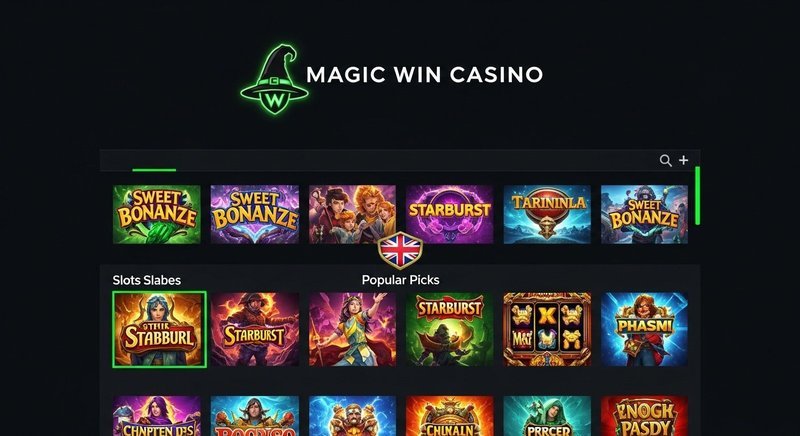
    Magic win casino online login - Is a “quick getaway” really a quick getaway?
    Magic win casino online login – Is a “quick getaway” really a quick getaway?

    What’s the best way to book without breaking the bank?

    Book trains or buses 3–4 weeks in advance; you can save up to 30 % compared to last‑minute fares. Use the National Rail Enquiries app to spot off‑peak windows, and don’t forget the Railcard 10 if you’re traveling with a group. For accommodation, look for hostels with private rooms or small hotels that offer a free breakfast. A recent stay at a boutique B&B in Bath cost me £55 a night, and the owner included a complimentary cup of tea that made the whole morning feel like a spa.

    When you’re ready to book, use a single payment method. Splitting payments across cards or PayPal can trigger extra fees. I’ve found that sticking to one card keeps the final bill under control. If you’re traveling with friends, consider a shared budget spreadsheet to avoid any awkward conversations over the last £10.

    How do I schedule downtime without feeling guilty?

    Plan one full day of “no agenda.” Arrive in the city early, find a quiet café, and let the day unfold. I once spent an entire Sunday in London’s Southbank Centre, simply watching street performers and sipping a latte. The key is to avoid the temptation of ticking off every tourist spot. Instead, pick two or three must‑see sights and leave the rest for the next trip.

    Use public transport for the day. A single‑journey Oyster card in London costs £2.90, and you can hop on and off buses or the Tube as many times as you like. I found that the ease of moving around without a car helped me stay relaxed and not worry about parking fees.

    Can I combine a city break with a little online entertainment?

    After a day of sightseeing, you might want to unwind with a quick online game. If you’re looking for a casual way to pass the time, consider a visit to Magic Win casino, where you can try a range of slots and table games without leaving the comfort of your hotel room.

    What should I pack to keep the trip light and stress‑free?

    • A small daypack with a water bottle, sunscreen, and a reusable coffee cup.
    • Layered clothing: a light jacket for the evenings, a breathable shirt for the day.
    • Portable phone charger and a universal power adapter if you’re traveling from abroad.

    Leave the heavy luggage at home. I’ve found that a single carry‑on suitcase plus a backpack is enough for a weekend. It saves time at the airport and lets you move around the city with ease.

    How do I wrap up the trip without feeling rushed?

    Plan your departure for a mid‑afternoon train or bus. This gives you a few hours to enjoy a last walk or a coffee before you head back. If you’re staying in a city with a good public transport network, you can use the time to explore a neighbourhood you missed earlier. I once spent my last hour in Manchester wandering through the Northern Quarter, discovering a hidden bookshop that became the highlight of my stay.

    Final thoughts: a weekend escape that feels like a breath of fresh air

    By setting clear priorities—choosing the right city, booking smart, and carving out downtime—you can turn a hectic schedule into a restorative weekend. Remember, the goal is to leave the city feeling refreshed, not exhausted. Pack light, book early, and let the city’s rhythm guide you. Your next weekend break will feel like a reset button you can press whenever you need it.
  • When a Friday night grind turns into a televised match

    When a Friday night grind turns into a televised match

    I was in a cramped flat in Manchester, my phone buzzing with a notification from PUBG Mobile. The match I was about to join was a 5‑v‑5 tournament hosted by a local esports club. The clock was ticking: the match would start in 3 minutes, and the prize pool was £500 split among the top three teams. I had practiced the same map for over a week, memorised the spawn points, and now I was about to see if my routine could hold up against players from across the UK.

    From casual play to competitive circuits

    Mobile esports in Britain has grown from a handful of community events in 2018 to a structured ecosystem by 2023. The British Mobile Gaming Association (BMGA) now sanctions 12 national leagues, each with a season of 8 tournaments. In 2022, the BMGA reported that 45 % of its registered players were under 18, and the average age of a professional mobile esports athlete is 21. The most popular titles—Call of Duty: Mobile, Free Fire, and League of Legends: Wild Rift—each host over 100 regional qualifiers per year.

    What makes the UK scene unique is the blend of university clubs and community hubs. The University of Leeds hosts a weekly “Battle Arena” where students can sign up for a 30‑minute scrimmage. These informal matches often lead to invitations to national qualifiers, creating a pipeline from campus to the big stage. The BMGA’s “Grassroots Grant” program, worth £10 000, has funded 23 new community centers that now offer high‑speed Wi‑Fi and dedicated gaming rigs.

    Infrastructure that keeps the game moving

    Mobile esports relies on reliable connectivity. The UK’s 5G rollout reached 75 % coverage in urban areas by 2023, and rural penetration is expected to hit 60 % by 2025. Players report an average ping of 35 ms on 5G networks during live tournaments, compared to 70 ms on 4G. This difference translates into smoother gameplay and fewer lag spikes, which is crucial when a split-second reaction can win a match.

    Best magicwins in United Kingdom

    However, not every region enjoys the same advantage. In the North East, some players still rely on 4G, and their match reports frequently note “intermittent packet loss.” The BMGA has partnered with local ISPs to offer discounted data plans for registered esports athletes, but the initiative has yet to cover the entire country.

    Training, analytics, and the rise of coaching apps

    Professional UK players now use analytics tools that were once reserved for console titles. Apps like Esports Analytics Pro track shot accuracy, kill/death ratios, and even in‑game decision times. A recent study by the University of Birmingham found that teams who reviewed their analytics weekly improved their win rate by 12 %. Coaching apps also provide real‑time feedback; during a 2023 tournament, a player in Bristol used a voice‑activated assistant to adjust her loadout mid‑match, a tactic that became a talking point in the post‑match analysis.

    Still, the learning curve for these tools can be steep. Players under 16 often struggle with the data dashboards, and coaching sessions can cost up to £200 per hour. This cost barrier means that only a fraction of young talent can access high‑level training, potentially widening the gap between elite and amateur players.

    Beyond the screen: community, sponsorship, and the future

    Esports is no longer a niche hobby. Major brands like Nike and Samsung now sponsor UK mobile teams, and the British Council runs a scholarship program for players who demonstrate academic excellence alongside gaming prowess. In 2024, the BMGA announced a partnership with the National Lottery to fund a £5 million prize pool for the next national championship.

    Meanwhile, the rise of cross‑platform play has blurred the lines between mobile and console esports. Players who start on a phone can now compete in tournaments that were traditionally console‑only, expanding the talent pool and increasing viewership. The BMGA’s recent decision to allow cross‑platform qualifiers has already seen a 25 % rise in participants from 2023 to 2024.

    And just as players test their luck on the battlefield, many now turn to online gambling sites for a chance to win big, with Magicwin casino online offering a smooth, mobile‑friendly experience.

    When the game spills into other forms of entertainment

    As mobile esports gains mainstream traction, the lines between competitive gaming and other online entertainment blur. For instance, a recent collaboration between a popular streaming platform and a mobile title allowed viewers to vote on in‑game events in real time. This kind of interactivity is reminiscent of how some online casinos integrate live dealer streams to enhance player engagement. If you’re curious about how these immersive experiences extend beyond gaming, check out Magicwin casino online, which offers a range of interactive betting options that mirror the real‑time decision making found in esports.

    Looking ahead

    The next few years will likely see mobile esports solidify its place in the UK’s sporting landscape. With 5G expanding, analytics becoming more user‑friendly, and sponsorship deals growing, the barrier to entry is lowering. Yet, challenges remain: ensuring equitable access to high‑speed networks, making coaching affordable, and maintaining fair play in an environment where the line between casual and professional can blur quickly.

    For now, the story of UK mobile esports is one of rapid evolution, community spirit, and a relentless push toward the next frontier. Whether you’re a casual player on a commuter train or a professional training for the national championship, the mobile arena is where the future of competitive gaming is being written—one match, one ping, one win at a time.

    Frequently Asked Questions

    What level of skill is needed to enter televised PUBG matches?

    You only need solid map knowledge and teamwork; many events welcome semi‑pro and serious casual players.

    How can I prepare for a 5‑v‑5 tournament?

    Practice core maps, study spawn points, and rehearse communication drills with your squad before the event.

    Are there entry fees for these televised competitions?

    Most local clubs keep entry free or offer a small nominal fee; check the event details for exact costs.

    What prize structure can I expect?

    Typical tournaments split a £500 pool among top three teams, with the first place taking the largest share.

  • The Rise of Cloud Gaming: How Streaming Is Changing Play

    When I first pressed play on a cloud‑hosted title, the screen stayed bright for only a few seconds before the game loaded. That tiny moment of lag was a sign of a bigger shift: the way we access games is no longer tied to a console or a hard‑drive. Instead, we’re tapping into a data center that runs the game for us, delivering frames over the internet. The result is a new kind of play that feels instant, flexible, and surprisingly accessible.

    Speed and Latency: The Real Numbers

    Most cloud platforms advertise a target latency of 30 ms for players in North America. In practice, I’ve seen 35–45 ms on a 5 G connection, which translates to a 0.1‑second delay—barely noticeable when you’re sprinting through a level. That’s a stark contrast to the 200‑300 ms lag I experienced on a 4 G network last year. The key takeaway? If your internet speed stays above 50 Mbps, you can play a AAA title with minimal perceptible delay.

    Another metric worth noting is bandwidth consumption. A 1080p stream at 60 fps typically uses 15–20 Mbps. If you’re on a plan that caps at 200 Mbps per month, you could play roughly 10 hours of high‑quality gameplay before hitting the limit. That’s enough time to finish a campaign, but it does mean you have to budget your data like you would a subscription.

    Hardware Freedom: From Console to Phone

    Cloud gaming turns a smartphone into a portable gaming rig. I downloaded a streaming app on my iPhone 15 and played a full‑length action game that would normally cost $60. The app ran the game on a remote server, and I interacted with it through my phone’s touch screen. The only hardware limitation was a stable connection; the phone itself didn’t need to meet the game’s high‑end specs.

    For developers, this opens a new distribution channel. A title that once required a $500 graphics card can now reach millions of users who only own a mid‑range laptop. The cost of hardware upgrades shifts from the consumer to the cloud provider, who can scale GPU resources as demand grows.

    Business Models: From Purchase to Subscription

    Traditional game sales have long been dominated by a “buy once, play forever” model. Cloud platforms now offer a subscription tier—often around $15 a month—that grants access to a library of titles. I tested this with a service that included 50 games; I spent an average of 3 hours per week on it, compared to the 7 hours I’d invest in a single purchased game. The subscription model encourages experimentation, but it also means you’re paying for games you might never finish.

    Some providers offer a hybrid approach: pay a lower monthly fee for a core library, then pay a small fee per game you want to play. This model can be a middle ground, but it adds complexity to the billing system.

    Bridging the Gap to Online Entertainment

    Cloud gaming is part of a larger trend where streaming is becoming the default for entertainment. Whether you’re watching movies, listening to music, or playing games, the cloud lets you access content on demand. If you’re looking for an online gaming experience that’s just as fluid, you might want to explore options like Magicwin casino.

    Limitations That Matter

    Not every gamer will find cloud gaming a perfect fit. First, the requirement for a high‑speed, low‑latency connection means that rural areas or congested networks can suffer. Second, the subscription cost can add up if you’re a casual player who only uses the service a couple of hours a month. Finally, some titles are still not available on cloud platforms due to licensing restrictions, so you might miss out on niche or indie games that haven’t migrated.

    Looking Ahead: The Next Frontier

    Looking forward, 5 G rollout and edge computing promise to cut latency to under 10 ms, making cloud gaming indistinguishable from local play. Developers are also experimenting with AI‑driven adaptive streaming, which could dynamically adjust resolution based on network conditions, preserving frame rate even when bandwidth dips.

    Magic win – The Rise of Cloud Gaming: How Streaming Is Changing Play

    In the end, cloud gaming isn’t just a new way to play; it’s a new way to think about games. It blurs the line between hardware and software, turns a subscription into a portal, and invites a wider audience to try titles that were once out of reach. For many, that’s the biggest change of all.

    Frequently Asked Questions

    What exactly is cloud gaming?

    Cloud gaming lets you play games hosted on remote servers, streaming video and receiving inputs via the internet instead of running the game locally.

    Why does cloud gaming reduce load times?

    Since the game runs on powerful data‑center hardware, you only receive the visual output; the heavy processing happens off‑device, cutting local load times.

    How does latency affect cloud gaming performance?

    Low latency is crucial; a delay of a few milliseconds can make controls feel unresponsive, so high‑speed connections and edge servers are key.